Meshy rigs quadrupeds with a walk and a run, and Tripo's auto rig covers birds, snakes and fish
Two paid riggers for non-human characters.
Meshy API changelog
AI that makes 3D: image-to-3D and text-to-3D models, Gaussian splats, auto-rigging and texturing.
Two paid riggers for non-human characters.
A rigged animal or creature straight from an image, with the Linux and 18 GB floor to plan for.
Early options for separating parts of a fused generated mesh and giving a generated head a face rig.
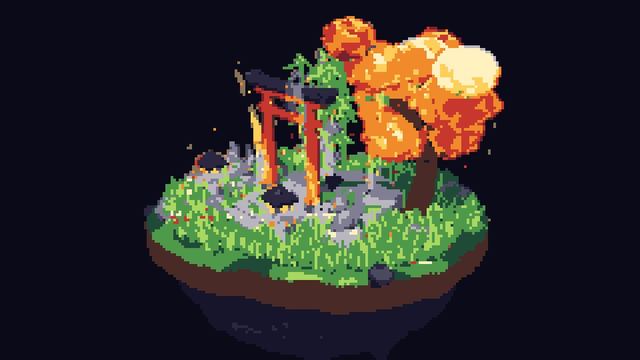
A retro look with real 3D depth, built from code instead of hand-placed sprites.
Clean-up for scanned splats, which had few editing tools until now.
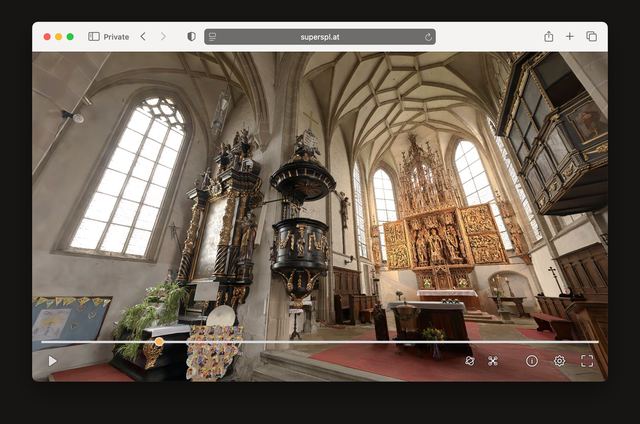
Shared splats look the way they did in the trainer, with no URL tricks.
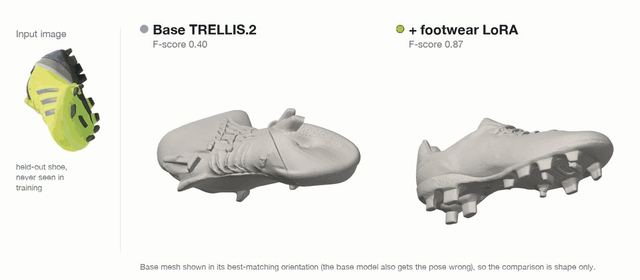
A recipe for teaching an image-to-3D model the kind of objects you make.
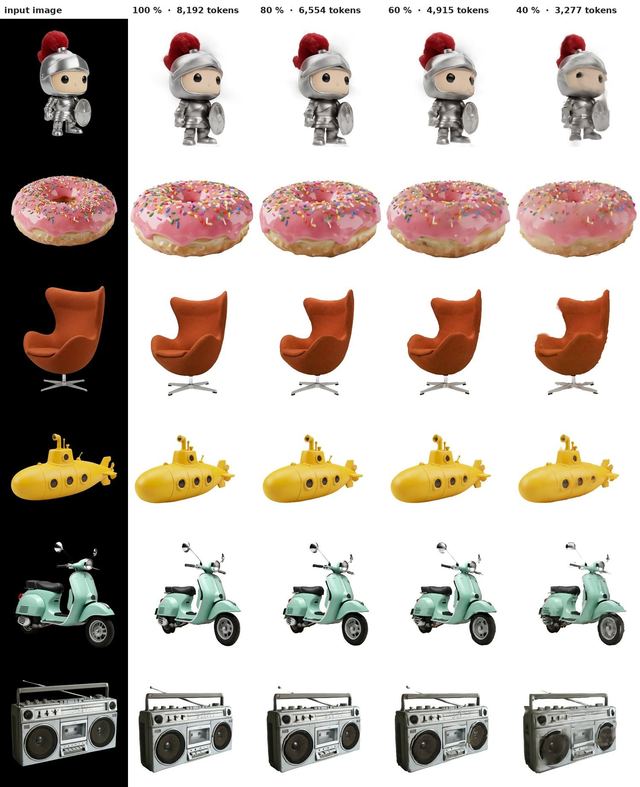
Another free route from a single image to a splat model.
Generated splat worlds become editable scenes instead of one frozen capture.
Prize money for 3D creators, whichever tools they use.
A possible source of backing for small studios that rely on AI-generated assets.
3D generation now sits next to video generation in one of the biggest creative AI apps.
Rigging is the slowest step between an AI-made model and an animated one.
A full model-to-animation pipeline inside one animation app.
An engine designed around the way AI agents already work with code.
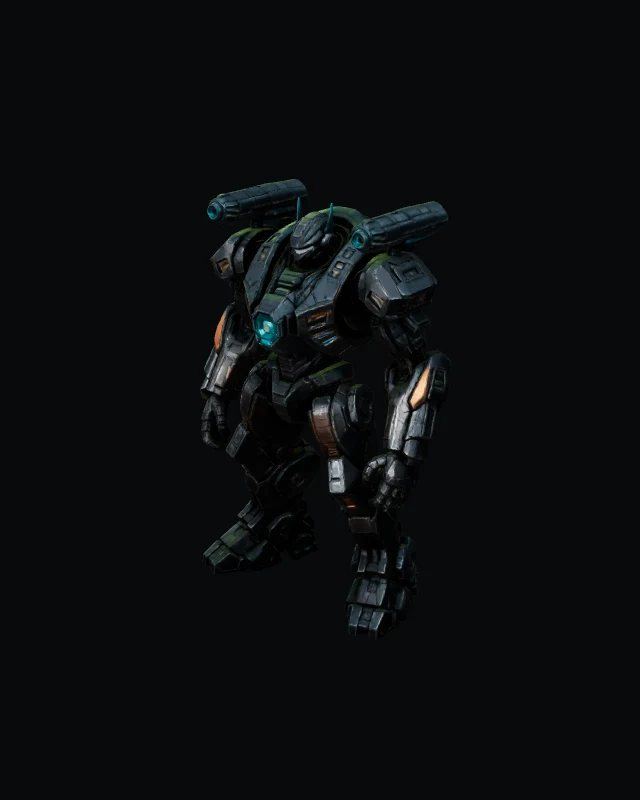
3D for the web without a separate modelling and export step.
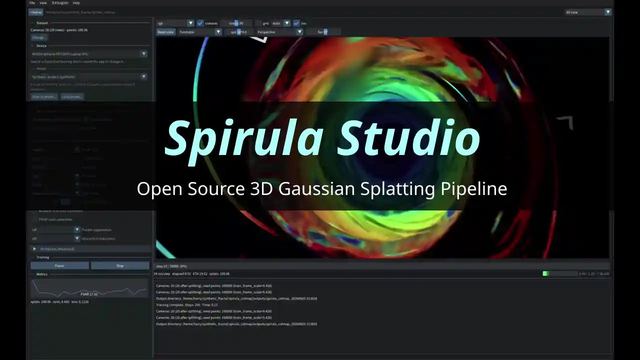
A free capture route to feed the new splat support in Blender and Unreal.
More control over AI 3D generation without leaving Blender.

Another image-to-3D option aimed at game and product assets.
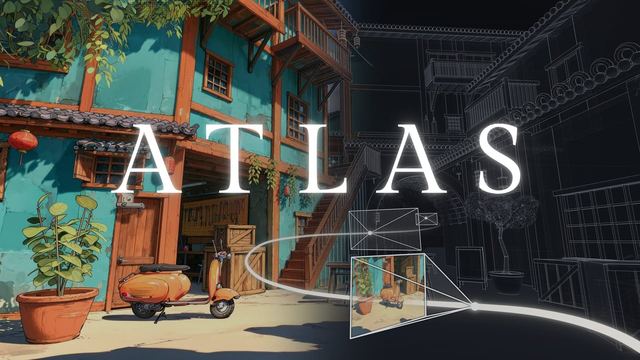
Paired with splat support in Blender, this points to a single-image route to full 3D sets.