Bria RMBG 3.0: background removal with soft alpha mattes, on Hugging Face and in ComfyUI
Bria RMBG 3.0 removes backgrounds with a soft alpha matte that keeps fine edges, but its open weights are non-commercial only.
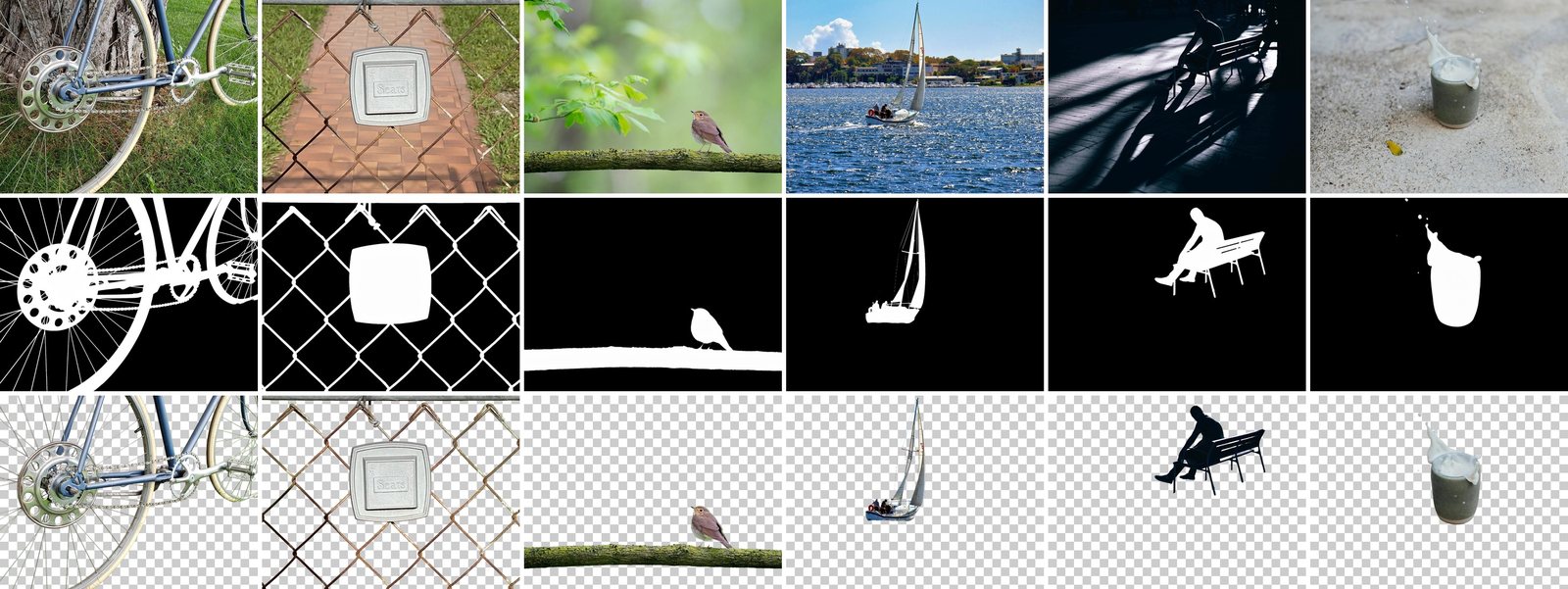
RMBG 3.0 is Bria's third background-removal model, fine-tuned from the 8B Fibo 2.0 and distilled to 4 steps, and it outputs a soft 8-bit alpha matte instead of a hard mask. Bria reports it ranks first on hard cases such as hair, fur and motion blur, and notes it still loses to Photoroom on transparent objects. The open weights are CC BY-NC 4.0 (non-commercial) and need about 32 GB of VRAM; commercial use goes through Bria's API, fal or ComfyUI's partner node.
Why it mattersClean cutouts of hair and fur for compositing.
What is new
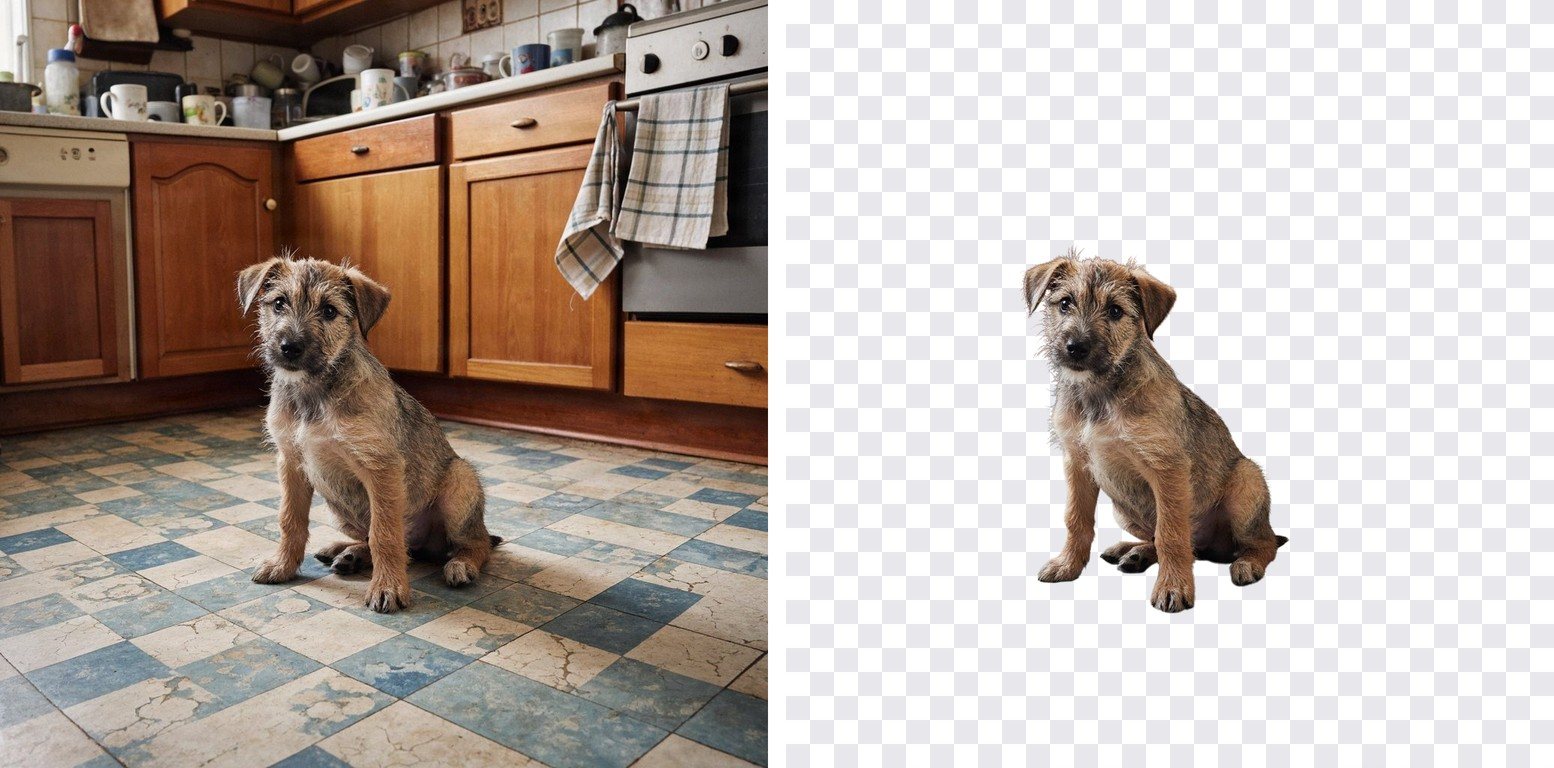
Background removal means cutting a subject out of its picture so it can sit on another background. Older tools often give a hard edge. RMBG 3.0 gives a soft alpha matte instead. An alpha matte is a grey-scale mask where white is the subject, black is the background, and grey shows partly see-through edges, such as hair, fur, glass or motion blur. The mask can be used directly as transparency, or turned into a hard black-and-white mask if needed.
Bria says the model is the first in its line built on a generative base. It is fine-tuned from Fibo 2.0, an 8-billion-parameter image model, and distilled to 4 sampling steps. Bria calls the task background removal reimagined as image editing.
Test results
Bria reports that RMBG 3.0 ranked first on 234 hard images at full resolution, ahead of Photoroom, remove.bg, Ideogram, BiRefNet and its own RMBG 2.0. Bria also reports that the model still loses to Photoroom on transparent objects, where Photoroom wins 55% of head-to-head votes. Bria measured these results itself, combining votes from people with a vision-language model judge. No outside tester is named.
What you need and licence
Bria says the open weights need 32 GB or more of GPU memory. Its own test peaked at 28.5 GiB on one L40S card in bf16 precision, at about 6 seconds per image at about 1 megapixel. The weights are under CC BY-NC 4.0, a licence that allows non-commercial use only. Commercial use needs a separate agreement with Bria, or the Bria API or the fal endpoint, which Bria says include a commercial licence. The model card names ComfyUI nodes too, but does not say whether they run the open weights on your own machine or call the API.