CityEngine 2026.1: lanes from street joints, new facade elements and batch jobs
Esri's CityEngine 2026.1 builds lanes at street joints, adds facade and shading parts, and offers startup options for unattended scripts.
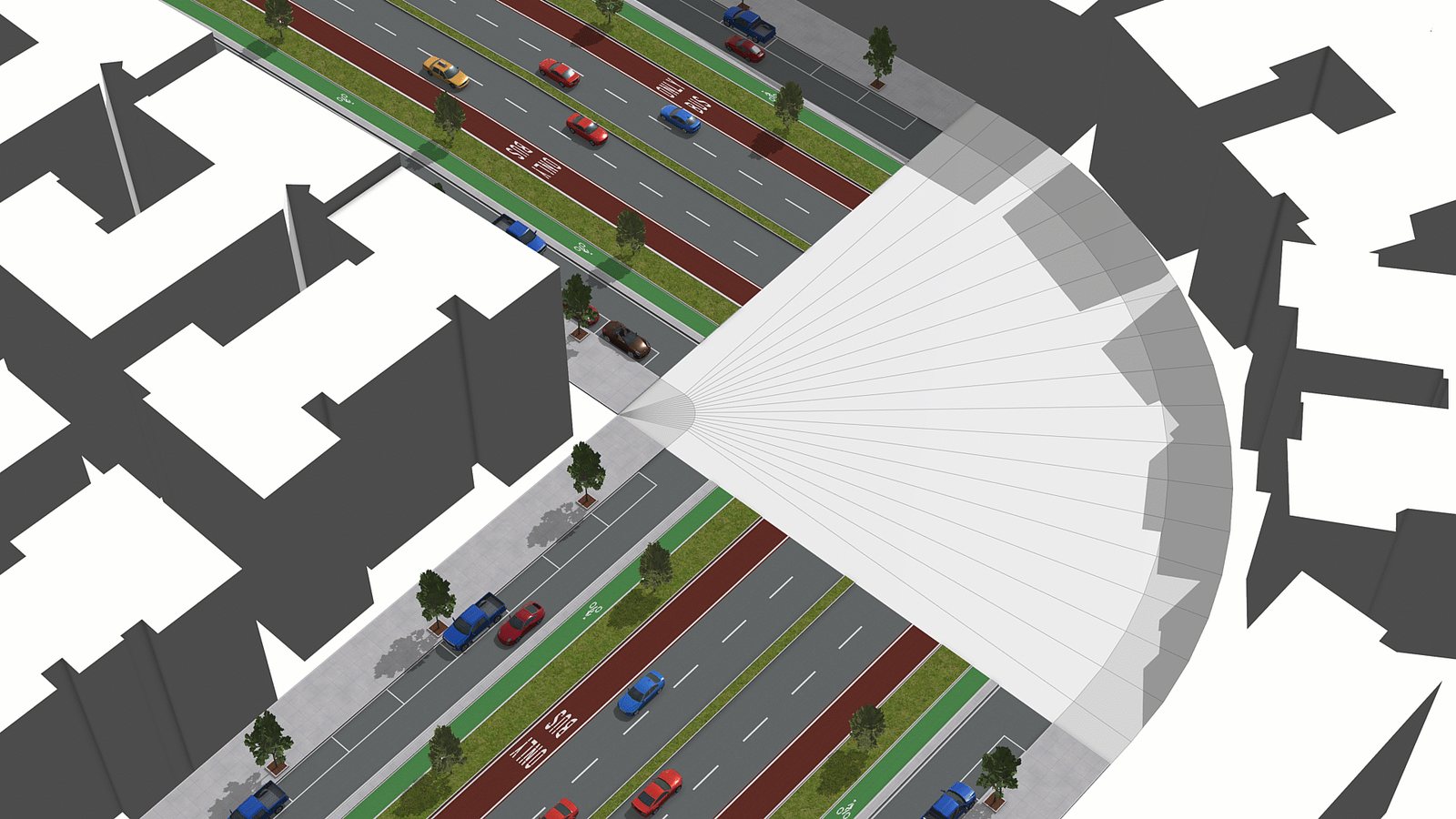
Esri's procedural city generator now creates lanes where joined street segments have matching lane counts, adds shading and facade elements to the Visual CGA Editor, lets the Python API work with several CityEngine instances at once, adds command-line options for unattended batch jobs and improves glTF, OBJ and Collada export.
Why it mattersQuicker city layouts for previs, games and archviz.
What is new
CityEngine is Esri's software for building 3D cities from rules and map data. Version 2026.1 changes what happens where two streets meet. When connected street segments have the same number of lanes, the joint now creates separate lane shapes. The lane widths can still differ. CityEngine copies the lane attributes of one segment to the joint lanes, and when the auto-assign lane rules option is on, the rules come across too.
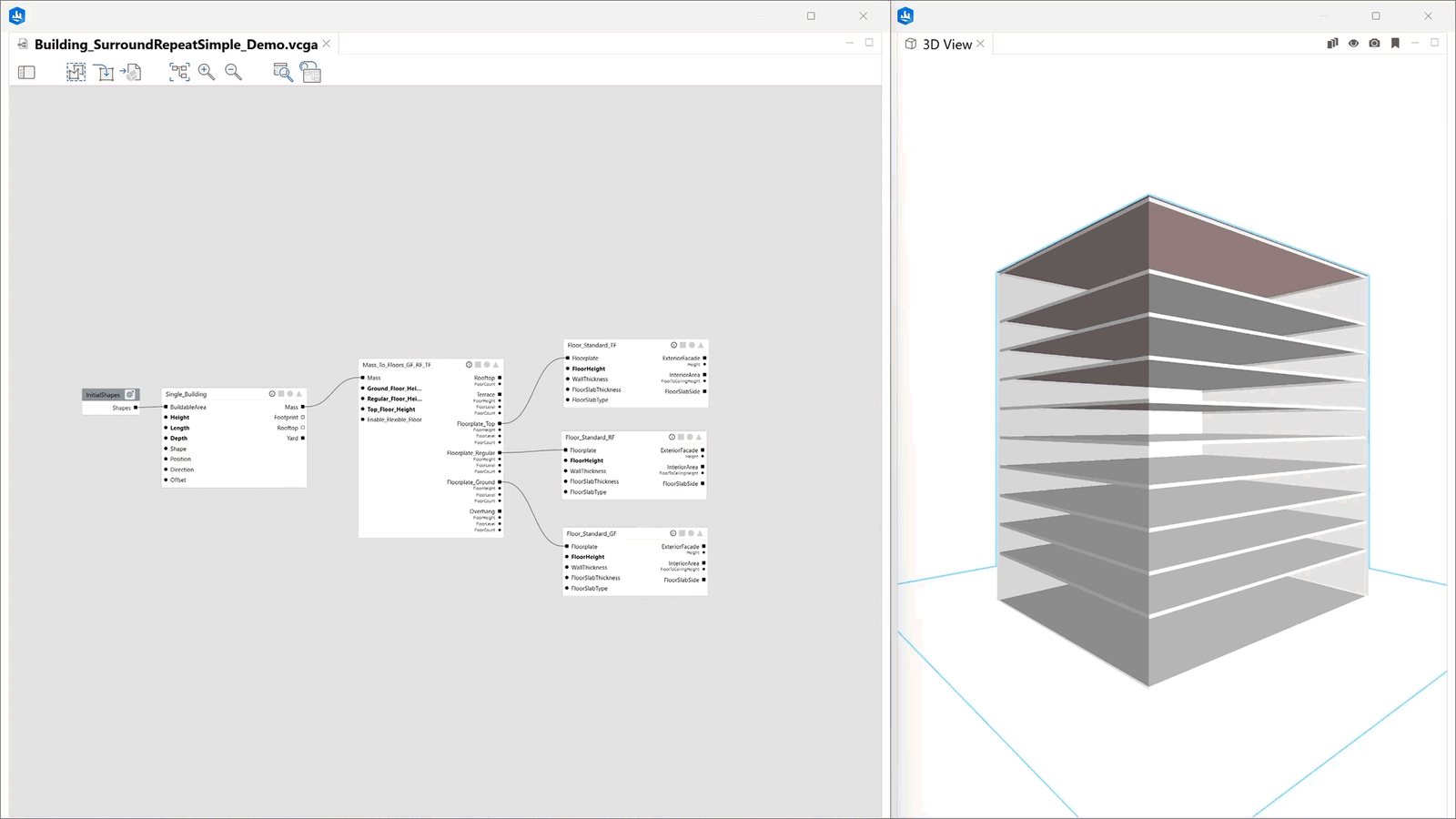
The bundled ESRI.lib library gets new parts. These include curtain wall, punched window and ribbon window facades, plus awnings, louvers, overhangs, shutters and window blinds. New floor components also replace an older one that Esri has deprecated.
Tools and scripting
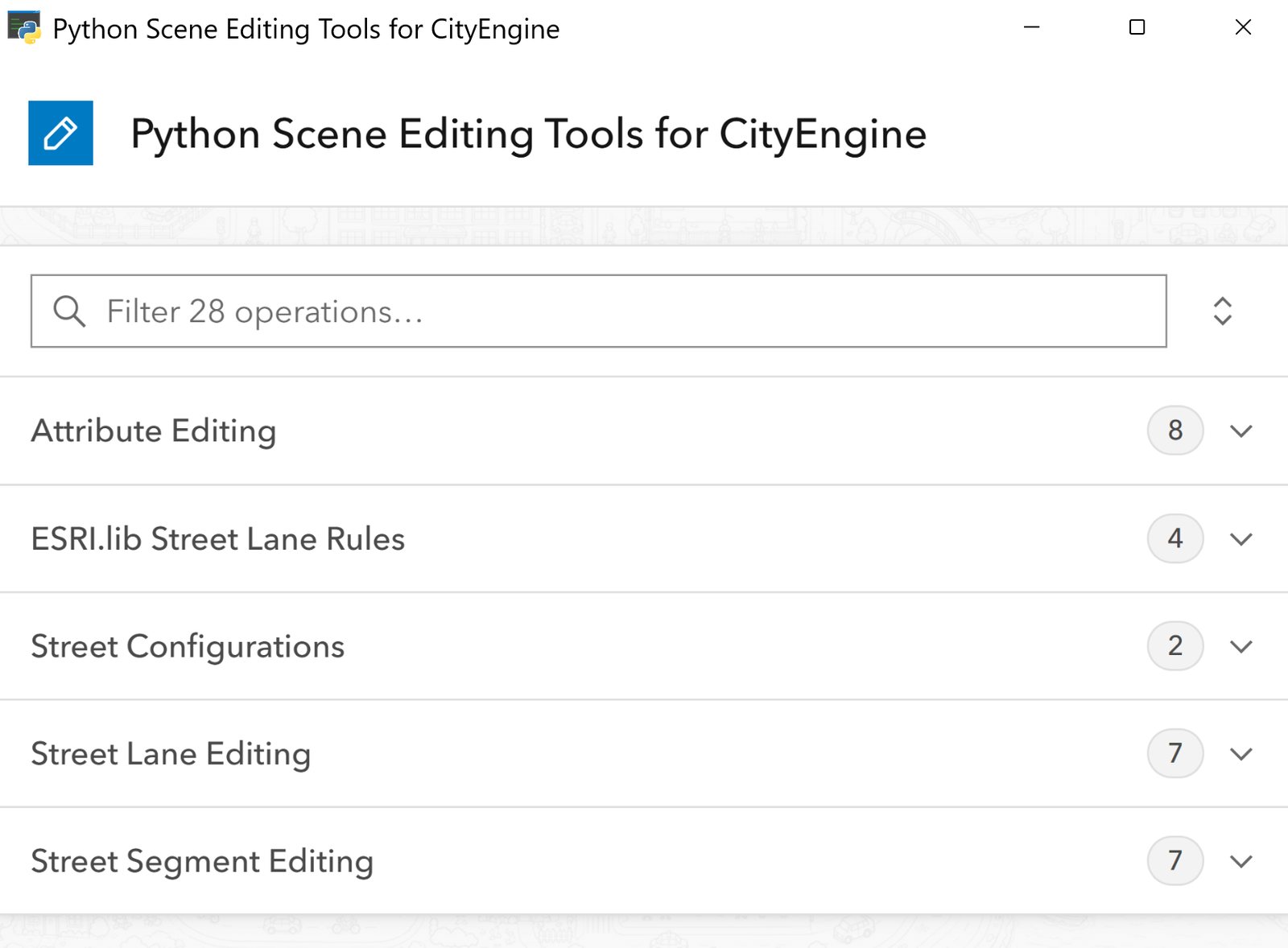
The Python API can now run several CityEngine instances at once, and it checks that its package matches the running version. Esri's notes list these other changes:
- Models in the Visual CGA Editor regenerate on their own after an edit.
- The -DpythonStartupScript option starts a script when CityEngine opens, for unattended jobs.
- Setback operations can select the edges of holes in a building footprint, such as courtyards.
- Display units can be set to imperial in the interface. The CGA, Visual CGA and Python code stay metric.
Export
Texture transforms are now baked into the geometry by default, so tiling survives the move into other ArcGIS products. For FBX, Collada and glTF, the Bake Texture Transformation option can be switched off to keep instancing. glTF export can merge small primitives while keeping instances, and it reads and writes files above 4 GB. In the FileGDB exporter, the Triangulate option is replaced by Face Representation.
Price and availability
CityEngine is sold as ArcGIS Professional and ArcGIS Professional Plus user types, replacing the older standalone licence offers. Esri says owners of active perpetual licences can ask about migration options until 30 November 2026. A 21-day trial is available. No standalone public price for 2026.1 was published on the pages checked. Digital Production reports that 2026.1 is the last desktop release for Linux.