Ditto: swap anything in any video, by app, API or MCP
Melius's Ditto swaps people, props or backgrounds in a video, in a web app, an API or through MCP. The 25% offer is not on its product page.
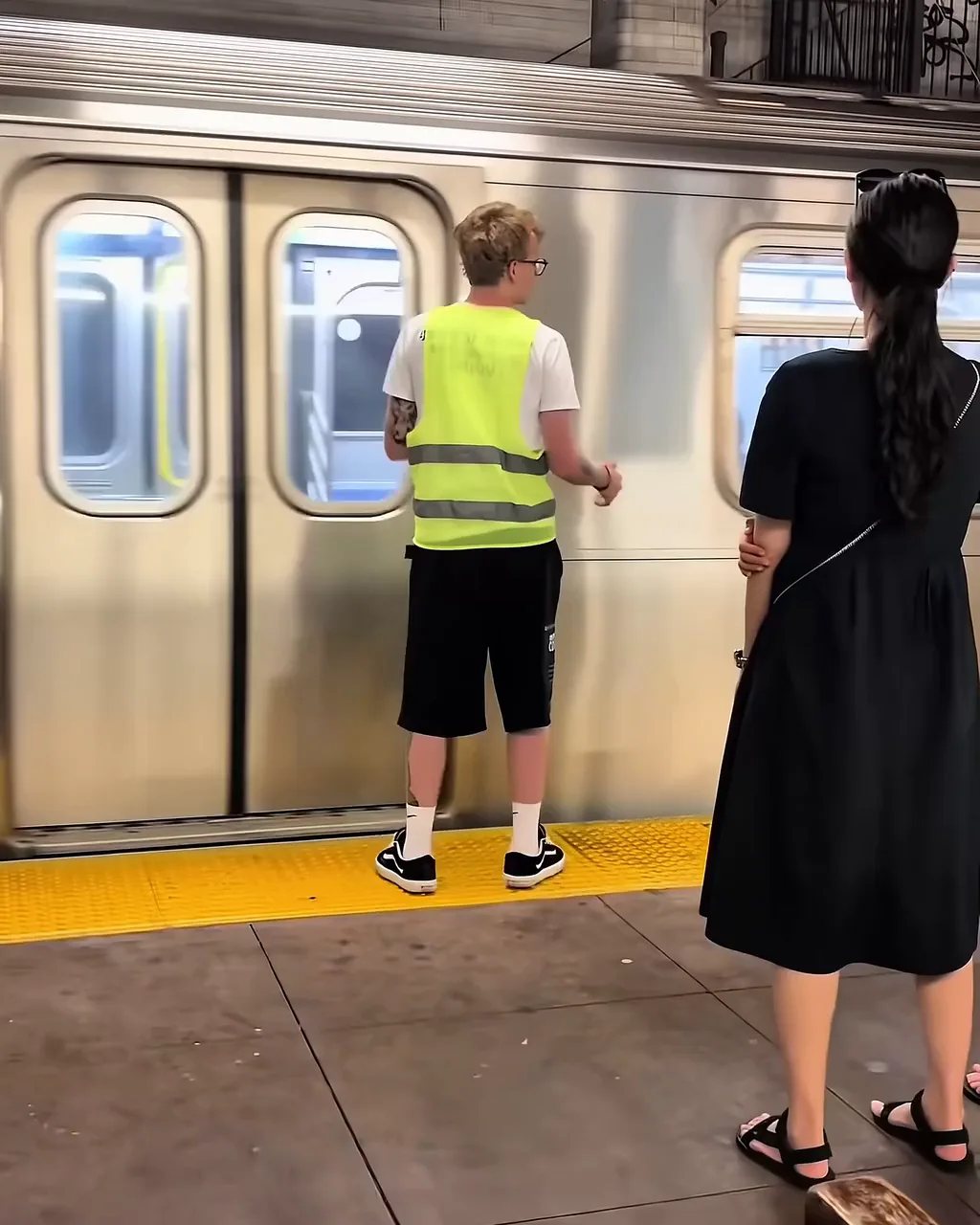
Ditto replaces objects or people in existing video using its own pipeline that mixes generative models with classic video processing, instead of wrapping a single model. It is available in a web app, an API and an MCP server, with 25% off for the rest of the year.
Why it mattersVideo swaps that an AI agent can call directly.
What is new
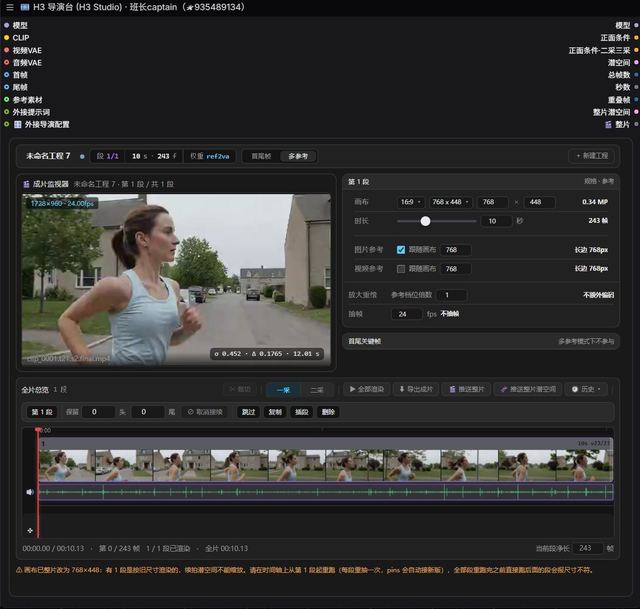
Ditto is a video tool from Melius. It replaces people, props or backgrounds in an existing clip with an avatar, a photo or a new scene. Melius says the new video keeps the original motion, camera movement, timing and soundtrack.
The news item says Ditto uses its own pipeline that mixes generative models with classic video processing, rather than wrapping one model. The post on X could not be opened, and Melius's pages do not describe that pipeline, so the claim is not confirmed here. A third-party roundup calls Ditto a beta that is rolling out gradually.
How it works
Melius's product page and API documentation describe the following.
- Inputs: an MP4 or MOV upload, a TikTok, Instagram or YouTube link, a Melius asset, or a template
- Source video: up to 30 seconds on the product page. Longer clips must be trimmed
- Up to 10 people can be replaced in one video
- Each replacement needs an avatar or a photo. Optional text can say who it replaces, such as the guitarist on the left
- API: up to 30 replacements per request, all in one generation with one price and one output video
- API: a maxCredits limit stops a video that would cost more from starting. An Idempotency-Key header stops a repeat request from starting a second paid video
Price and limits
The product page lists no plan prices or credit amounts. It says the credit cost is shown before each run. The 25% discount for the rest of 2026 appears only in a third-party post, and it is not on Melius's product page, so it is not confirmed.
The product page says that real people's likenesses other than your own need their consent, and that Melius's terms ban impersonation and misleading deepfakes.